
Cat Allergies Explained
Understanding the Fel D 1 Protein and How Professional Grooming Helps
Cat allergies are one of the most common pet-related allergies, affecting millions of people worldwide. While many assume that cat hair itself is the primary trigger, the true culprit is a microscopic protein known as Fel D 1. Understanding how Fel D 1 works, how it spreads, and how professional cat grooming can help manage allergen levels is essential for allergy sufferers who want to coexist more comfortably with their feline companions.
What Is Fel D 1 Protein?
Fel D 1 is a naturally occurring protein produced primarily in a cat’s salivary glands, sebaceous (skin) glands, and anal glands. Unlike pollen or dust, Fel D 1 is unique to cats and is considered the primary allergen responsible for cat allergies.
Cats deposit Fel D 1 onto their fur and skin by licking. Once on the coat, the protein easily spreads throughout the environment as cats shed hair and dander. Because Fel D 1 particles are extremely small and lightweight, they remain airborne for long periods and adhere to surfaces such as furniture, clothing, carpets, and walls.
Allergic reactions occur when the immune system mistakenly identifies Fel D 1 as a harmful substance. In response, the body releases histamines and other chemicals designed to protect itself. This immune response leads to familiar allergy symptoms, including:
● Sneezing and nasal congestion
● Itchy, watery, or swollen eyes
● Coughing or wheezing
● Skin irritation or hives
● Asthma flare-ups in sensitive individuals
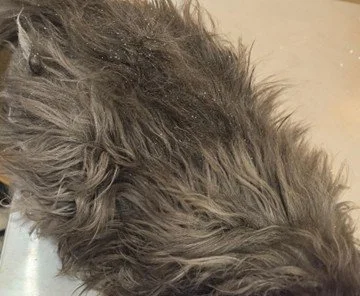
Fel D 1 is particularly problematic because it is sticky and persistent. The white to yellow dander seen on cats is a very visible example of skin flakes that Fel D 1 readily binds to and accumulates on.
Does Cat Breed or Coat Type Matter?
A common myth is that certain cat breeds are hypoallergenic. In reality, no cat breed is completely hypoallergenic. While some cats may produce slightly less Fel D 1 than others, all cats produce the protein to some degree, regardless of hair length, coat type, or breed.
Some cats shed less visible fur, but they still spread Fel D 1 through skin flakes and saliva. Long-haired cats may hold onto allergens in their coat longer, releasing them over time. Factors such as age, sex, and hormonal status can also influence Fel D 1 production, with unneutered males typically producing higher levels.
The Role of Professional Cat Grooming in Reducing Allergens
While grooming cannot eliminate Fel D 1 entirely, professional cat grooming plays a critical role in reducing the amount of allergen present on the cat and in the home. Regular, thorough grooming interrupts the cycle of allergen buildup and redistribution.
Professional groomers use specialized products and techniques to safely remove excess hair and dander that trap Fel D 1. This reduces shedding and limits how much allergen is released into the environment. Bathing cats with professional-grade, cat-safe shampoos helps wash away saliva residue, skin oils, and accumulated allergens from the coat. Contrary to popular belief, most cats tolerate professional bathing well when it is done correctly and calmly.
Healthy skin produces fewer flakes, which means less dander for Fel D 1 to cling to. Professional grooming supports skin health through proper bathing, drying, and coat maintenance. While some grooming is always better than none, infrequent grooming provides limited benefit for reducing allergens. Professional grooming on a recurring schedule significantly reduces allergen levels over time, making symptoms more manageable for allergy sufferers.
Professional cat grooming works best when combined with other allergen-reduction strategies. These may include frequent vacuuming with HEPA filters, washing bedding regularly, using air purifiers, and practicing good hand hygiene after handling cats. In addition to environmental controls, biological factors also play a role in allergen levels. Spaying and neutering have been shown to reduce Fel D 1 production, and certain specialized diets contain ingredients that help neutralize the Fel D 1 allergen in a cat’s saliva before it spreads into the environment. Grooming is not a cure for cat allergies, but it is a proven, practical tool that can dramatically improve quality of life. For households with mild to moderate cat allergies, regular grooming often allows families to keep their cats comfortably without resorting to extreme measures. Many clients report noticeable improvements in symptoms when grooming is maintained consistently.
While combing at home is beneficial, professional cat grooming goes beyond what most owners can safely achieve. Groomers are trained to handle cats in a low-stress environment, use professional equipment, and recognize skin conditions that may contribute to excess dander. Improper bathing or brushing at home can actually increase skin irritation and allergen production if done incorrectly. Our professional grooming environments are designed specifically for feline needs, prioritizing safety, coat health, and stress reduction.
Fel D 1 protein is the root cause of cat allergies, not cat hair itself. Its ability to spread easily and persist in the environment makes it a challenging allergen to manage. However, professional cat grooming is the most effective way to reduce Fel D 1 levels, improve coat and skin health, and create a more comfortable living environment for allergy sufferers.
With consistent grooming and a well-rounded allergy management plan, many allergy sufferers find that living with cats becomes not only possible, but enjoyable. Understanding the science behind cat allergies empowers owners to make informed decisions that benefit both human and feline family members.